Hornets Nest Vs Wasp Nest. If they feel threatened, hornets and wasps will defend their territory by repeatedly stinging. While hornet and wasp nests are similar, you can often distinguish between a hornet nest vs a wasp nest. Most of the social temperate species construct nests that function like a hornet's nest, although nests may be constructed low to the ground, or even underground. A hornet's nest (left) and wasp larva growing out of a caterpillar (right). There is still another group of wasps known as the solitary wasps. This wasp group is small, solitary, not social and usually makes their nests underground. Wasps and hornets often create their nests in areas that interfere with our daily human travel, such as building a paper nest under a house eave. Hornet colonies usually contain more than 100 wasps. Nesting habits, hierarchical structures and life cycles vary greatly across wasp species. Hornets create their nests by chewing small bits of wood and mixing it with their saliva. Hornets are famous for their massive, enclosed nests which can be seen hanging from tree branches or other sturdy perches. They are constructed from thin, gray paper. Hornet nests are built in the air and can become fairly large in size. Like other wasps, hornets make a papery substance from chewed up wood and saliva, which they mold into a nest full of. Hornets often build nests high off the ground, either in tree hollows, shrubs, building eaves, chimneys, or wall cavities.
Hornets Nest Vs Wasp Nest . Huge Hornet Nest Vs Airsoft Gun - Youtube
Pests We Treat - Wasp and Hornet's Nests Removal in NJ .... While hornet and wasp nests are similar, you can often distinguish between a hornet nest vs a wasp nest. A hornet's nest (left) and wasp larva growing out of a caterpillar (right). Hornet colonies usually contain more than 100 wasps. Hornets often build nests high off the ground, either in tree hollows, shrubs, building eaves, chimneys, or wall cavities. This wasp group is small, solitary, not social and usually makes their nests underground. They are constructed from thin, gray paper. If they feel threatened, hornets and wasps will defend their territory by repeatedly stinging. Nesting habits, hierarchical structures and life cycles vary greatly across wasp species. Hornet nests are built in the air and can become fairly large in size. Most of the social temperate species construct nests that function like a hornet's nest, although nests may be constructed low to the ground, or even underground. Like other wasps, hornets make a papery substance from chewed up wood and saliva, which they mold into a nest full of. Hornets are famous for their massive, enclosed nests which can be seen hanging from tree branches or other sturdy perches. Hornets create their nests by chewing small bits of wood and mixing it with their saliva. Wasps and hornets often create their nests in areas that interfere with our daily human travel, such as building a paper nest under a house eave. There is still another group of wasps known as the solitary wasps.
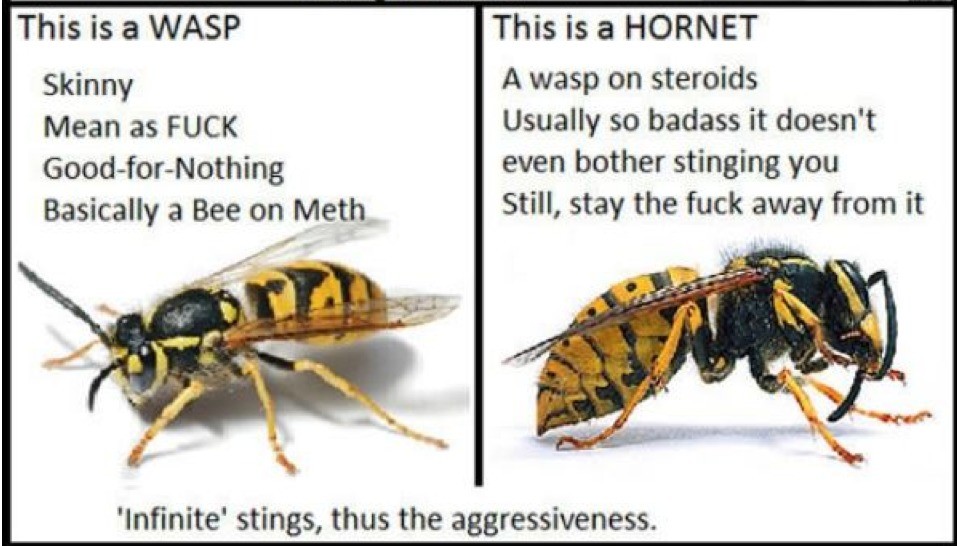
When wasp nests occur close to where people are active, the nests should be eliminated to.
Wasp nest identification, what to look for! Some yellow jackets nest in the ground. Fake wasp nests aren't very effective because the wasps don't really care about them. In this episode i use dry ice to catch the whole nest of hornets and relocate them into their new habitat. Wasps and hornets often create their nests in areas that interfere with our daily human travel, such as building a paper nest under a house eave. This wasp group is small, solitary, not social and usually makes their nests underground. It contains horizontal combs, which hang in tiers and are connected to each other. If they feel threatened, hornets and wasps will defend their territory by repeatedly stinging. Hornets are famous for their massive, enclosed nests which can be seen hanging from tree branches or other sturdy perches. There have been reports of wasps creating a nest right next to the fake wasp nest or one actually inside of the fake wasp nest. When wasp nests occur close to where people are active, the nests should be eliminated to. This spider wedged herself within the layers of paper envelope and began building a nest to take ov. For wasps to be eliminated, the nest does not need to be removed, but the nest and the wasps need to be treated. For the record, wasps and hornets are not the same thing. The official weather lore rhyme goes like this: When a scout wasp searches for a place to make a colony, they usually avoid building their nest in the near vicinity of an existing hornet's nest. They could build their nest in the open (in trees, under picnic tables, etc.) or inside of a structure (garage, shed, attic, etc.). The baldfaced hornet is a social wasp found in the familiar large, gray, paper nests attached to a tree branch, shrub, utility pole or house. The main difference between hornets and wasps such as paper wasps and yellow. The nest is large and is shaped like a football. Hornet nests are built in the air and can become fairly large in size. Hornets, wasps and yellow jackets produce nests that are slightly different from one another. Most of the social temperate species construct nests that function like a hornet's nest, although nests may be constructed low to the ground, or even underground. Hornet nests are usually aerial and are found in treetops, under roofs or decks, in sheds or garages, in hollow tree trunks, or in other areas that are raised off the ground. See how high the hornet's nest, 'twill tell how high the snow will rest. If you see one built high, expect a lot of snow. Wasp nest can be as small as a golf ball and grow to as large as football or even bigger. Hornets belong to the insect family vespidae. While hornet and wasp nests are similar, you can often distinguish between a hornet nest vs a wasp nest. The stings of both can be dangerous to those who are allergic to their venom. Nesting habits, hierarchical structures and life cycles vary greatly across wasp species.
